Hieronymus Bosch
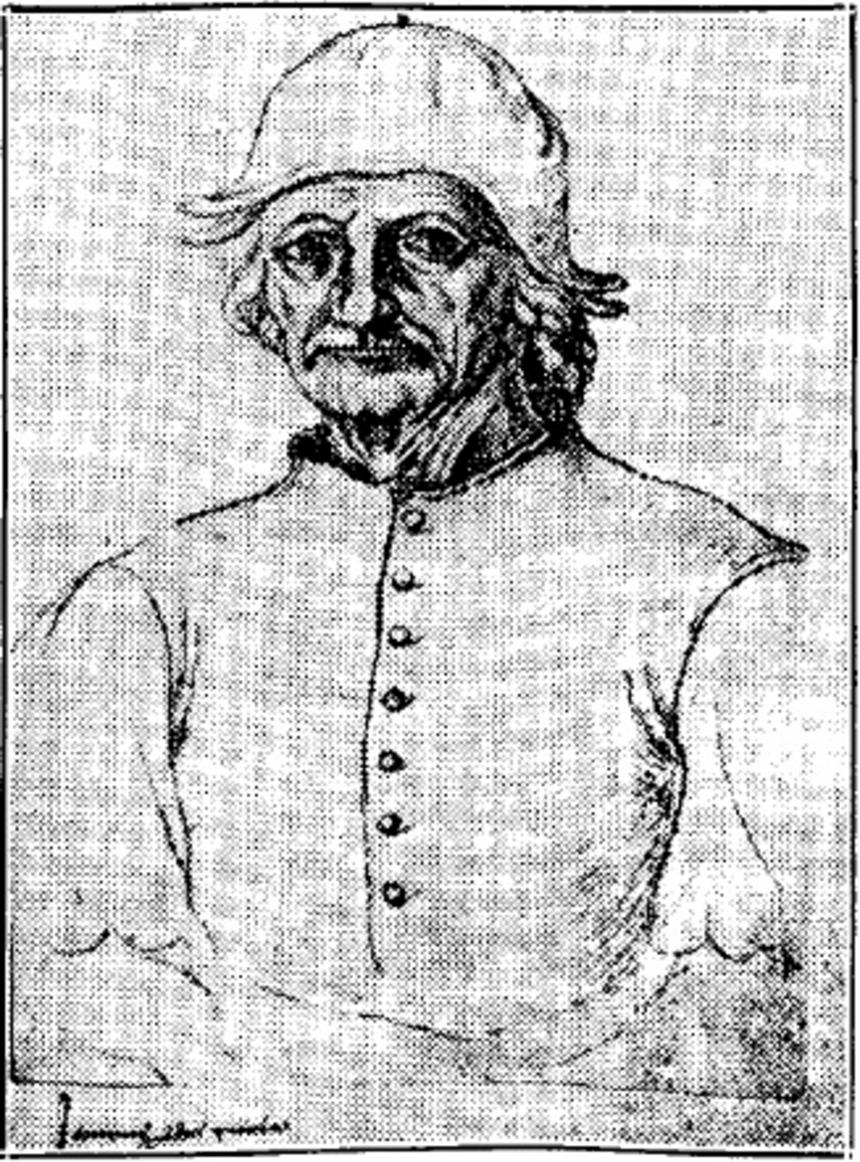
circa 1500, Pen and brown ink, Kupferstichkabinett Berlin Public Domain · SourceThe Human Hook: A Landscape That Won’t Mind Its Business
A forest that listens and a field that watches sound like a warning from someone who has had enough of being observed. Around 1500, Hieronymus Bosch gave that idea a picture: nature is not a quiet backdrop. It may be paying attention.
That is the delicious tension here. The title sounds almost playful, but it turns an ordinary landscape into a moral problem: if the world can see and hear, where can you hide? Bosch is famous for stranger, more crowded visions, but this drawing makes its point with a compact, unsettling premise.
Quick Facts & Context: A Local Painter with a Far-Reaching Imagination
Bosch was born Jheronimus van Aken around 1450 in ’s-Hertogenbosch, in the Duchy of Brabant, and spent most of his life in and near the city. He came from a family of painters; his father acted as an artistic adviser to the local Brotherhood of Our Lady, which Bosch himself joined in 1486 or 1487. He worked in the Early Netherlandish tradition, usually painting in oil on oak panels, and his fantastic religious imagery was collected beyond the Netherlands during his lifetime. This drawing is dated to about 1500. We know surprisingly little about his training, private thoughts, or intended meanings, so confident claims about a secret personal creed go further than the evidence allows.
How He Saw the World: Make the Image Do the Thinking
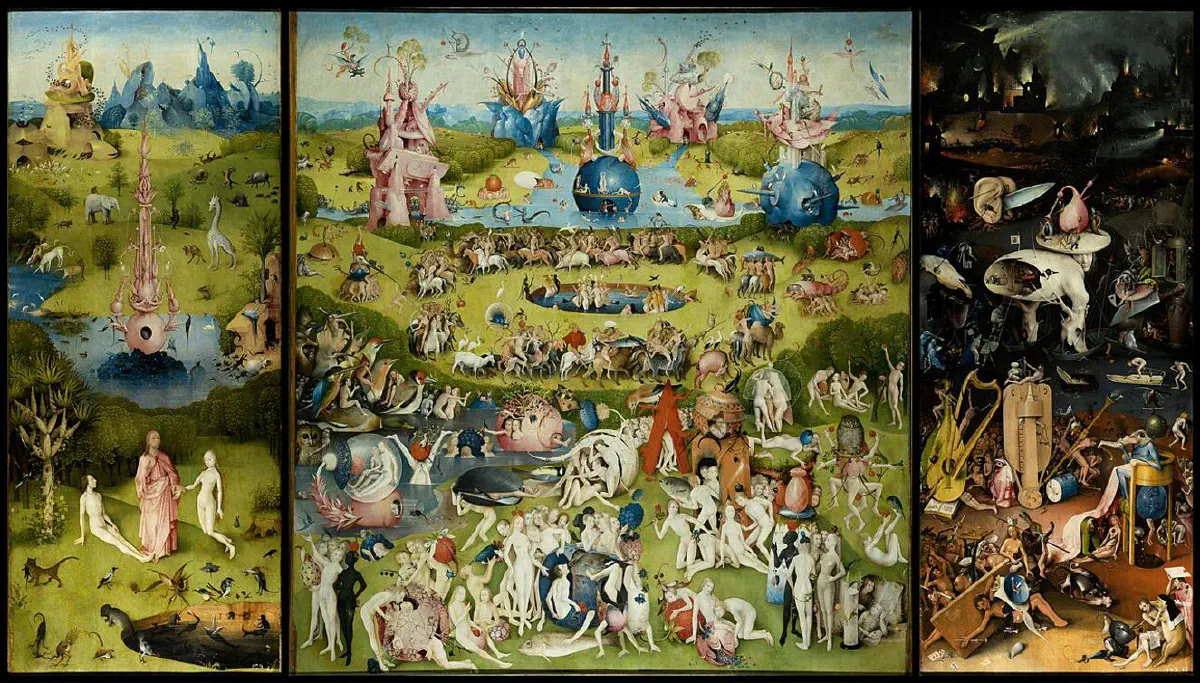
Bosch did not always polish away the evidence of his hand. His paintings can be comparatively sketchy, with rough surfaces that differ from the smooth, carefully glazed finish prized by many Netherlandish painters of his time. The contrast matters: the picture does not have to pretend it appeared by miracle. You can feel a person making marks, testing forms, and building a world that refuses to sit still.
In this drawing, the title itself supplies the trapdoor. Trees and fields are usually scenery; Bosch’s phrase makes them witnesses. That is a small shift with a large effect. The landscape is no longer safely outside the human story. It becomes part of the pressure on the viewer.
Bosch’s imagery often grew from the religious teaching and moral ideas of his time, though individual symbols can be hard to pin down. It is safer to read this work as an invitation to look closely than to announce that every odd shape has one fixed translation. Bosch gives you the unease first. The explanation is not always a neat label waiting beside it.
If You Could Stand Beside Him: Look Again at the Landscape
Imagine a quiet workroom in ’s-Hertogenbosch. Bosch bends over a sheet, not delivering a speech about genius, but drawing and redrawing until the landscape stops behaving like scenery. You lean closer. The first glance says trees and open ground. The next says: perhaps this place has noticed you.
We cannot know what he would have pointed to, or what mistake he might have made. But the title gives us a good instruction: do not look only at the people. Look at the setting, too. Bosch’s wider career shows how much could be made from familiar materials—oil, oak panels, a limited palette, and a stubborn willingness to let an image turn strange.
So take one more look: what in the landscape feels ordinary at first, and what begins to feel as if it is watching you?
Works by Hieronymus Bosch on the wall