Diego Velázquez
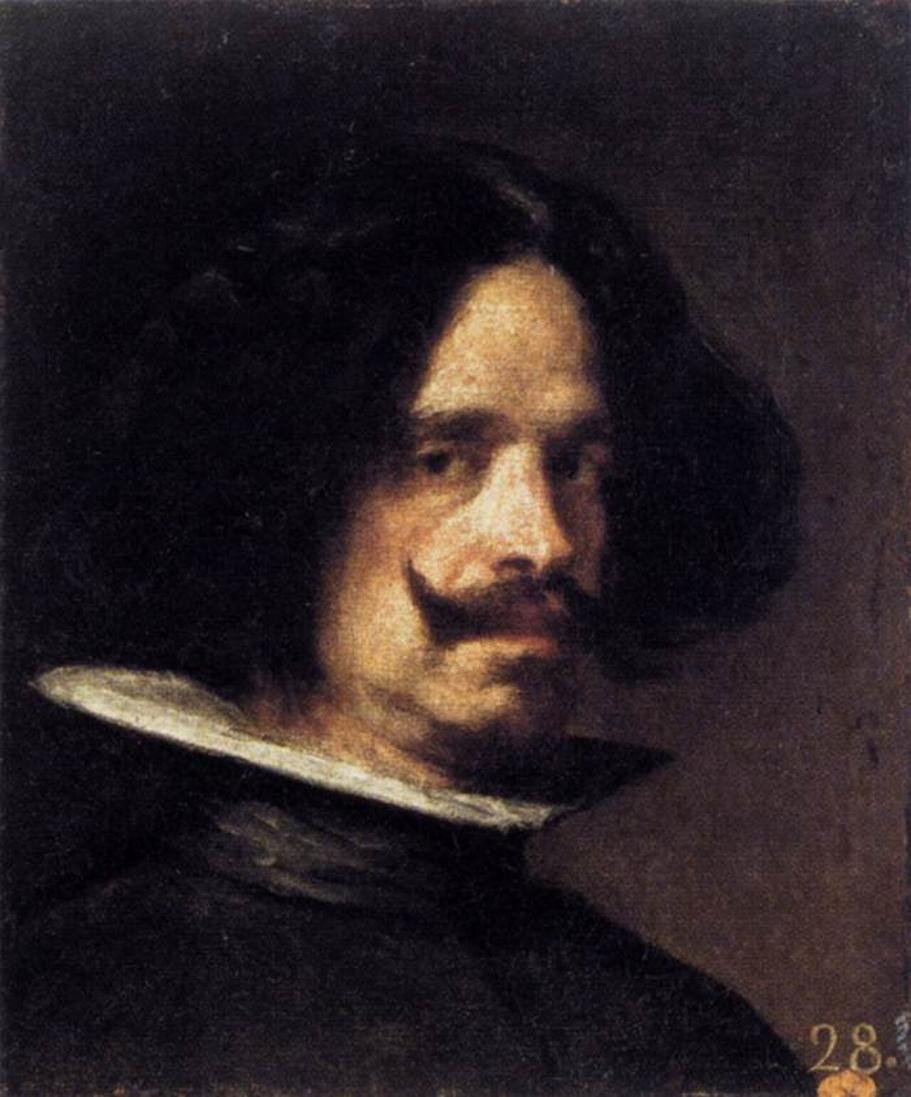
circa 1640, Oil on canvas, Museu de Belles Arts de València Public Domain · Source1. The Human Hook
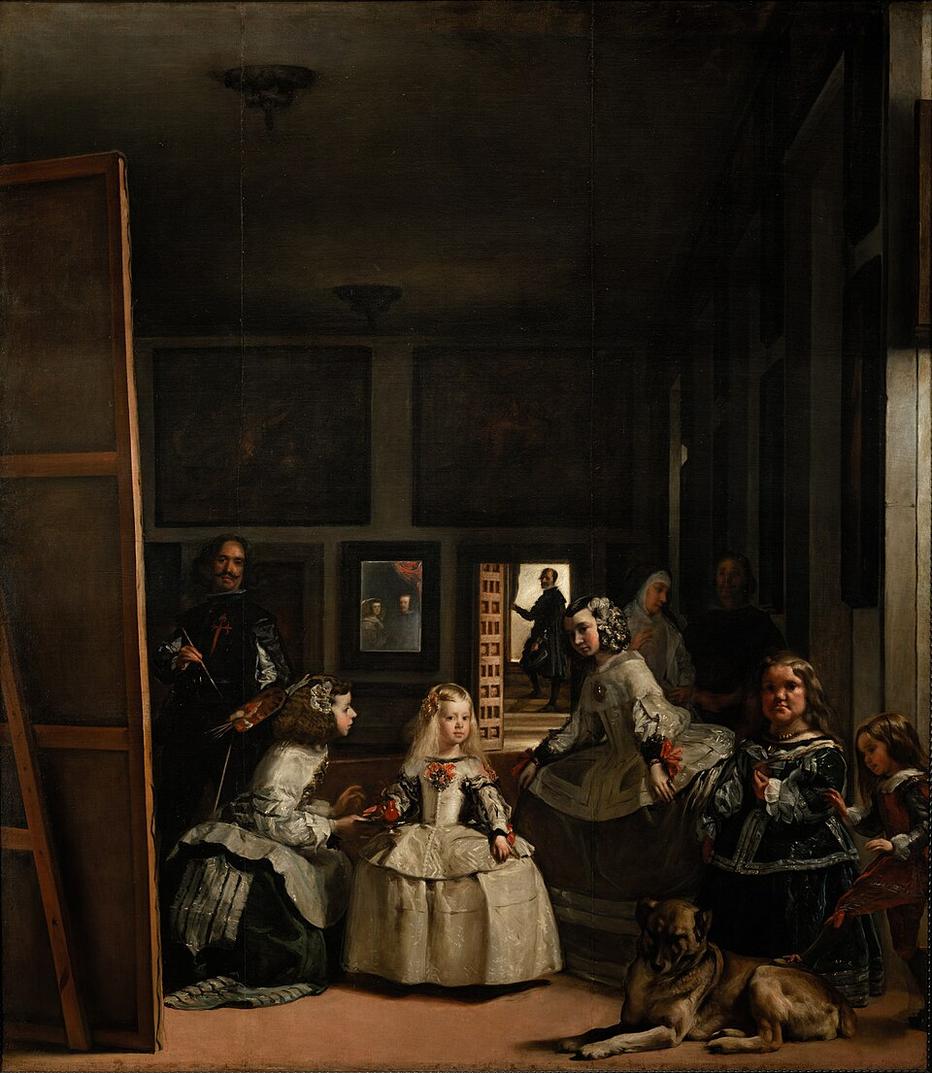
A royal court painter might seem like the safest person in Spain: steady work, a king who trusted him, and a place inside the palace. But Velázquez used that position to paint people without turning them into polished symbols. Even kings, courtiers, and court entertainers look like people who have to stand still while someone studies them.
This self-portrait makes the painter the sitter and the observer at once. Velázquez is not presenting a grand story about himself. He is doing something more direct: looking back.
2. Quick Facts & Context
Velázquez was born in Seville in 1599 and trained there in the workshop of Francisco Pacheco, whose teaching included proportion, perspective, and the study of classical subjects. In 1623 he moved to Madrid after King Philip IV’s court summoned him; he became the leading painter to the king and spent much of his career making portraits for the Spanish royal family. His early pictures used strong contrasts of light and dark, while his later work developed a freer brushwork and a more atmospheric way of describing people and space. This self-portrait is dated around 1650 by its Commons record, during the period of his second trip to Italy.
3. How They Saw the World
Velázquez began with close observation, not a tidy formula. He often painted directly from life, and X-rays have revealed that he changed compositions as he worked. That is a useful reminder: even a court painter did not always know the final answer before he started.
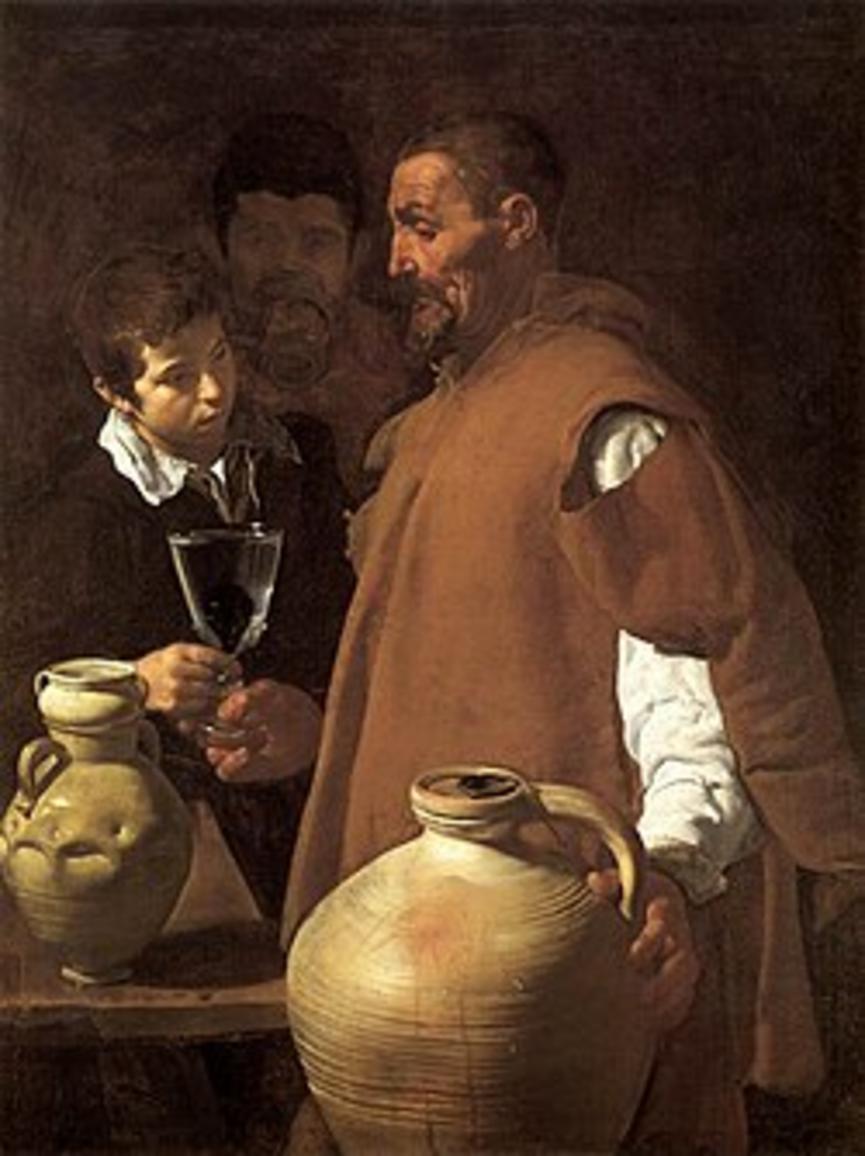
His early paintings are precise and dramatic, with dark backgrounds and strongly lit faces. Over time, his touch became looser. He used a relatively limited palette, mixing available pigments to produce varied colors, and adopted light-gray canvas grounds after his first visit to Italy. The result was a cooler, more luminous range. Up close, a brushstroke can look like a quick mark; from farther away, it becomes cloth, skin, or a patch of light. Velázquez trusted the viewer to do some of the joining-up.
4. If You Could Stand Beside Them
Imagine a quiet studio: a canvas, a few mixed colors, and Velázquez shifting between the sitter and the surface. He has to decide how much to describe and how much to leave for the eye to complete. Perhaps a stroke lands too heavily. He adjusts it; he is known to revise as he paints, not to obey a perfect plan.
He might point to the face and say, “Look at how little paint it takes.” Then he would step back. From nearby, you would see marks. At a distance, they settle into a person looking straight out at you. That small change in distance is part of the painting’s trick—and it is also your job as a viewer.
When you look at this self-portrait, do you notice the painter first, or the person who has paused to meet your gaze?
Works by Diego Velázquez on the wall